• Home
  • Latest
  • Fortune 500
  • Finance
  • Tech
  • Leadership
  • Lifestyle
  • Rankings
  • Multimedia

Trendingnow

1

The Pentagon said Iran War costs $29 billion, but the real cost is closer to $200 billion—and counting

2

After forcing workers back to the office, Goldman Sachs and JPMorgan Chase are now letting their staff work remotely—but only for the World Cup

3

Now worth $200 million, Sarah Jessica Parker credits being ‘one of eight kids that struggled financially’ for her hunger, ambition, and work ethic

1

The Pentagon said Iran War costs $29 billion, but the real cost is closer to $200 billion—and counting

2

After forcing workers back to the office, Goldman Sachs and JPMorgan Chase are now letting their staff work remotely—but only for the World Cup

3

Now worth $200 million, Sarah Jessica Parker credits being ‘one of eight kids that struggled financially’ for her hunger, ambition, and work ethic
Health

Why We’re Thinking About Weight Loss All Wrong

By
Laura Entis
Laura Entis
Down Arrow Button Icon
By
Laura Entis
Laura Entis
Down Arrow Button Icon
March 4, 2017, 7:00 AM ET
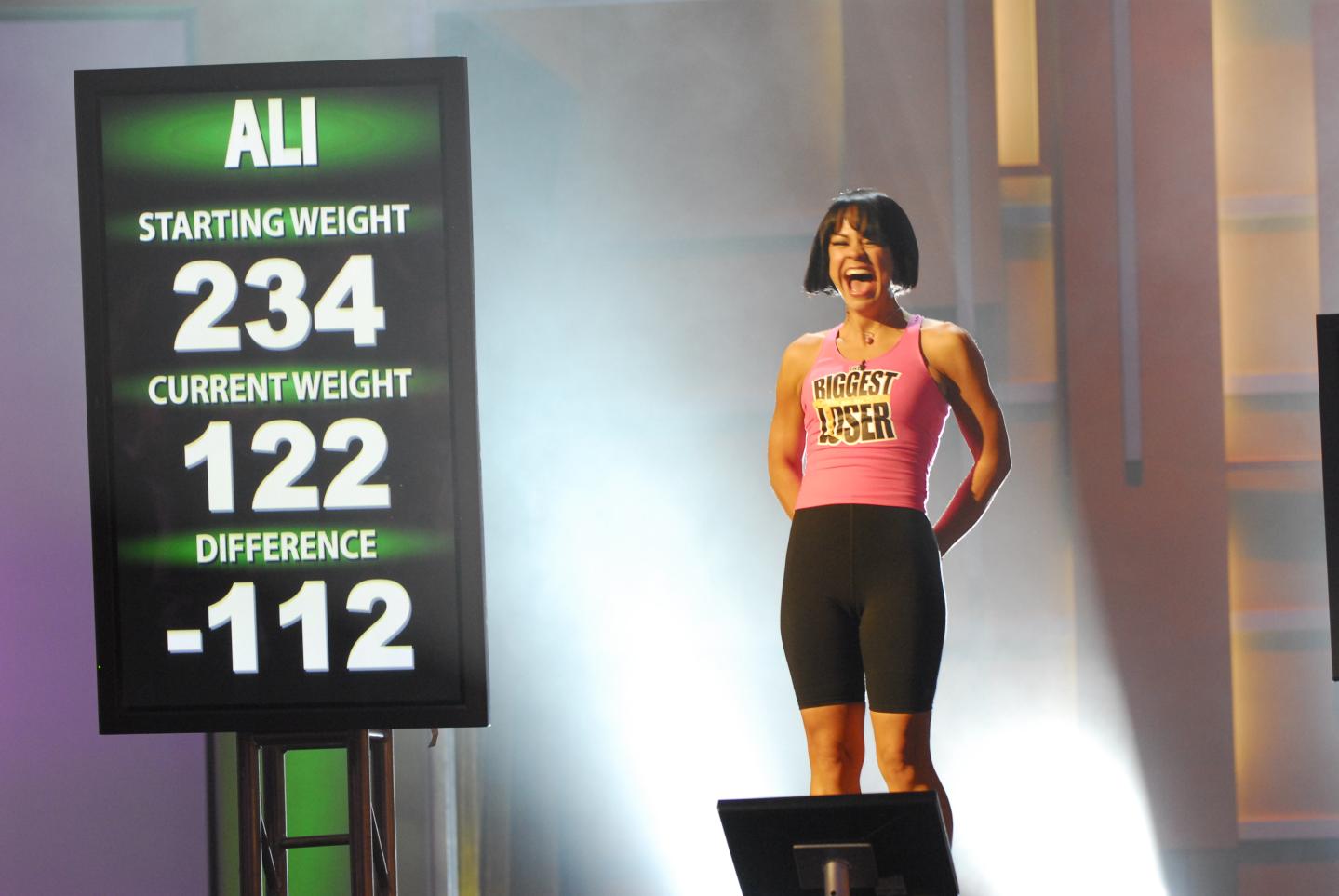
The Biggest Loser - Season 5
NBC NBCU Photo Bank via Getty Images
Add Fortune on Google for similar content.

For decades, weight loss advice could be summed up in a sentence: burn more calories than you consume. This equation, based on the 3500 rule, in which a calorie deficit of 3500 translates into weight loss of one pound, was intuitive and comforting in its simplicity.

It also made generations of dieters feel terrible about themselves, essentially conflating excess fat with a failure of willpower. If the 69% of Americans who are overweight or obese could simply eat less and move more, this line of thinking went, we wouldn’t have a national epidemic on our hands. While researchers have been questioning the validity of the 3500 calorie rule for years, it still informs much of the popular understanding on weight and metabolism.

That’s beginning to change, though. Ironically, a major recent revelation came courtesy of the Biggest Loser, an NBC reality series that, perhaps more than anything else on TV, reduces weight loss to a matter of willpower (contestants on the show compete to lose the largest percentage of their body weight over the span of 30 weeks.)

But new research suggests the real narrative is likely far more complex. In the study, published last May, researchers tracked 14 of the shows contestants, measuring their weight, metabolism, fitness schedule and diet before they were officially selected for the series’ eighth season, at various points throughout filming, and then six years after the season ended.

Unsurprisingly, all 14 participants were significantly overweight before their stint on The Biggest Loser — and all lost a significant amount of weight during filming. More surprising was that, but for a single participant, they’d all regained some of this weight by the study’s end, with four participants actually weighing more than they did before going on the show.

The real jaw-dropper? The researchers found that during and after the initial weight loss, participants’ bodies fought to return to their original weights: across the board, after losing weight on the show, participants’ metabolism slowed dramatically, meaning their bodies burned fewer calories than is typical for someone their size. This wasn’t a temporary change, either — as the years passed, not only did their metabolisms not recover but, in many cases, they continued to slow down. At the study’s close, season 8 winner Danny Cahill, who lost 239 pounds on the show and regained 100 of them over the subsequent six years, burned 800 fewer calories per day while at rest than is typical for someone his size.

The results are a strong indicator that weight loss shouldn’t be reduced to a matter of willpower, says lead author Kevin Hall. Instead, “when you cut your calories and increase your physical activity, your body resists that change,” he says. Think of it like a string. If you aren’t trying to lose weight, the string remains slack. But as you cut calories and add exercise, it grows increasingly taut. The more intense your diet and workout gets, the tighter the spring pulls in an effort to return you body to its resting weight.

“You will experience a proportional pullback,” says Hall, which, if you want to successfully keep weight off, you must resist indefinitely. It’s a Catch-22 of sorts. The more successful you are at losing weight, the harder your body will fight to regain it — indeed, participants who lost the most weight on the show experienced the largest slowing in metabolic adaption.

If this sounds like a giant bummer, well — in some ways, it is. Weight loss, the study suggests, is more difficult than simply moving more and eating less. But Hall feels that by focusing on the pounds participant regained, subsequent coverage pushed an overly negative message. Following high-profile write ups, including this one in The New York Times, he noticed a discouraging trend: Readers were interpreting the study as a reason to give up on weight loss efforts, full-stop. “If they couldn’t keep it up,” the thinking went, “that what’s the point of even trying?”

But this ignores an important detail: at the end of the study, participants, on average, were down 12% from their pre-Biggest Loser weights, a not insignificant amount. Studies have shown that for overweight and obese individuals, even small weight losses can significantly reduce the likelihood of developing conditions such as diabetes, hypertension and heart disease.

In lieu of despair, Hall hopes the study will make people to rethink weight loss. More specifically, he wants to separate its cosmetic draw from its ability to improve health. The former, which typically requires a radical reduction of body weight, is nearly impossible to achieve long term (drop below a certain set weight, and the body’s internal spring begins its vicious tugging). But the latter, which requires individuals to lose a far manageable amount of weight, is attainable through gradual, sustainable lifestyle changes.

“Shows like the Biggest Loser help perpetuate that idea that you really need to lose enormous quantities of weight to be healthy and be normal,” says Hall. “But you don’t have to have this rapid or dramatic weight loss to have health benefits.” As an increasing body of research suggests, a low BMI and health are not always correlated. Thin people can have heart attacks, and obese people who exercise, don’t smoke, and maintain a healthy diet are no more likely to die prematurely than normal-weight individuals who fall into the same categories.

Despite the mounting evidence, however, this isn’t a message we hear enough, says Hall. The diet industry, the magazine covers of people shedding half their body weight, an American obsession with rebirth and beauty — all have worked together to turn diet and exercise into magical tools that, if we only work hard enough, will make us thin and worthy.

What if we rebranded exercise and diet not as means to a more attractive-looking end, but as tools for improving our overall fitness and health? Hall believes it’s time we started.

About the Author
By Laura Entis
See full bioRight Arrow Button Icon
Add Fortune on Google for similar content.

Latest in Health

Finance
Lorem ipsum dolor sit amet, consectetur adipiscing elit, sed do eiusmod tempor incididunt ut labore et dolore magna aliqua. Ut enim ad minim veniam
By Fortune Editors
October 20, 2025
Finance
Lorem ipsum dolor sit amet, consectetur adipiscing elit, sed do eiusmod tempor incididunt ut labore et dolore magna aliqua. Ut enim ad minim veniam
By Fortune Editors
October 20, 2025
Finance
Lorem ipsum dolor sit amet, consectetur adipiscing elit, sed do eiusmod tempor incididunt ut labore et dolore magna aliqua. Ut enim ad minim veniam
By Fortune Editors
October 20, 2025
Finance
Lorem ipsum dolor sit amet, consectetur adipiscing elit, sed do eiusmod tempor incididunt ut labore et dolore magna aliqua. Ut enim ad minim veniam
By Fortune Editors
October 20, 2025
Finance
Lorem ipsum dolor sit amet, consectetur adipiscing elit, sed do eiusmod tempor incididunt ut labore et dolore magna aliqua. Ut enim ad minim veniam
By Fortune Editors
October 20, 2025
Finance
Lorem ipsum dolor sit amet, consectetur adipiscing elit, sed do eiusmod tempor incididunt ut labore et dolore magna aliqua. Ut enim ad minim veniam
By Fortune Editors
October 20, 2025

Most Popular

Finance
Lorem ipsum dolor sit amet, consectetur adipiscing elit, sed do eiusmod tempor incididunt ut labore et dolore magna aliqua. Ut enim ad minim veniam
By Fortune Editors
October 20, 2025
Finance
Lorem ipsum dolor sit amet, consectetur adipiscing elit, sed do eiusmod tempor incididunt ut labore et dolore magna aliqua. Ut enim ad minim veniam
By Fortune Editors
October 20, 2025
Finance
Lorem ipsum dolor sit amet, consectetur adipiscing elit, sed do eiusmod tempor incididunt ut labore et dolore magna aliqua. Ut enim ad minim veniam
By Fortune Editors
October 20, 2025
Finance
Lorem ipsum dolor sit amet, consectetur adipiscing elit, sed do eiusmod tempor incididunt ut labore et dolore magna aliqua. Ut enim ad minim veniam
By Fortune Editors
October 20, 2025
Finance
Lorem ipsum dolor sit amet, consectetur adipiscing elit, sed do eiusmod tempor incididunt ut labore et dolore magna aliqua. Ut enim ad minim veniam
By Fortune Editors
October 20, 2025
Finance
Lorem ipsum dolor sit amet, consectetur adipiscing elit, sed do eiusmod tempor incididunt ut labore et dolore magna aliqua. Ut enim ad minim veniam
By Fortune Editors
October 20, 2025
Fortune Secondary Logo
Rankings
  • 100 Best Companies
  • Fortune 500
  • Global 500
  • Fortune 500 Europe
  • Most Powerful Women
  • World's Most Admired Companies
  • See All Rankings
  • Lists Calendar
Sections
  • Finance
  • Fortune Crypto
  • Features
  • Leadership
  • Health
  • Commentary
  • Success
  • Retail
  • Mpw
  • Tech
  • Lifestyle
  • CEO Initiative
  • Asia
  • Politics
  • Conferences
  • Europe
  • Newsletters
  • Personal Finance
  • Environment
  • Magazine
  • Education
Customer Support
  • Frequently Asked Questions
  • Customer Service Portal
  • Privacy Policy
  • Terms Of Use
  • Single Issues For Purchase
  • International Print
Commercial Services
  • Advertising
  • Fortune Brand Studio
  • Fortune Analytics
  • Fortune Conferences
  • Business Development
  • Group Subscriptions
About Us
  • About Us
  • Press Center
  • Work At Fortune
  • Terms And Conditions
  • Site Map
  • About Us
  • Press Center
  • Work At Fortune
  • Terms And Conditions
  • Site Map
  • Facebook icon
  • Twitter icon
  • LinkedIn icon
  • Instagram icon
  • Pinterest icon

Latest in Health

How ‘Ozempic face’ is pushing Gen X, already the biggest Botox and filler consumers, to the facelift table a decade early
HealthGen X
How ‘Ozempic face’ is pushing Gen X, already the biggest Botox and filler consumers, to the facelift table a decade early
By Mia OsmonbekovJune 24, 2026
9 hours ago
The 4 Best Zinc Supplements of 2026: Expert Tested
HealthDietary Supplements
The 4 Best Zinc Supplements of 2026: Expert Tested
By Emily PharesJune 24, 2026
9 hours ago
Helix Plus Lead
Healthmattresses
The Best Early 4th of July Mattress Sales of 2026: Saatva, Helix, and More
By Christina SnyderJune 24, 2026
11 hours ago
mg
CommentaryHealth
The ‘tech neck’ time bomb: why 43 million young Americans could cripple U.S. health care within a generation
By Michael GerlingJune 24, 2026
18 hours ago
UPS workers process boxes in a sorting facility.
North AmericaUPS
UPS is shelling out nearly $50 million on temperature-controlled facilities to meet the booming demand for GLP-1 deliveries
By Sasha RogelbergJune 23, 2026
1 day ago
dr
HealthCancer
The U.S. cut cancer deaths by 34% since 1991—but not in 458 rural counties
By Arthur Cosby and The ConversationJune 23, 2026
1 day ago

Most Popular

The Pentagon said Iran War costs $29 billion, but the real cost is closer to $200 billion—and counting
Economy
The Pentagon said Iran War costs $29 billion, but the real cost is closer to $200 billion—and counting
By Jacqueline MunisJune 24, 2026
23 hours ago
After forcing workers back to the office, Goldman Sachs and JPMorgan Chase are now letting their staff work remotely—but only for the World Cup
Success
After forcing workers back to the office, Goldman Sachs and JPMorgan Chase are now letting their staff work remotely—but only for the World Cup
By Orianna Rosa RoyleJune 23, 2026
2 days ago
Now worth $200 million, Sarah Jessica Parker credits being ‘one of eight kids that struggled financially’ for her hunger, ambition, and work ethic
Success
Now worth $200 million, Sarah Jessica Parker credits being ‘one of eight kids that struggled financially’ for her hunger, ambition, and work ethic
By Orianna Rosa RoyleJune 24, 2026
23 hours ago
Amazon's record Prime Day masks a darker truth: Americans are spending more and getting less
Retail
Amazon's record Prime Day masks a darker truth: Americans are spending more and getting less
By Nick LichtenbergJune 24, 2026
15 hours ago
Ray Dalio just finished a 10-day trip to China. He says global leaders know America ‘doesn’t have what it takes to fight to maintain its empire’
Asia
Ray Dalio just finished a 10-day trip to China. He says global leaders know America ‘doesn’t have what it takes to fight to maintain its empire’
By Nick LichtenbergJune 24, 2026
16 hours ago
Current price of gold as of June 23, 2026
Personal Finance
Current price of gold as of June 23, 2026
By Danny BakstJune 23, 2026
2 days ago

© 2026 Fortune Media IP Limited. All Rights Reserved. Use of this site constitutes acceptance of our Terms of Use and Privacy Policy | CA Notice at Collection and Privacy Notice | Do Not Sell/Share My Personal Information
FORTUNE is a trademark of Fortune Media IP Limited, registered in the U.S. and other countries. FORTUNE may receive compensation for some links to products and services on this website. Offers may be subject to change without notice.