• Home
  • Latest
  • Fortune 500
  • Finance
  • Tech
  • Leadership
  • Lifestyle
  • Rankings
  • Multimedia

Trendingnow

1

MacKenzie Scott alone accounted for one-third of America's $19.2 billion in megagifts last year

2

Now worth $200 million, Sarah Jessica Parker credits being ‘one of eight kids that struggled financially’ for her hunger, ambition, and work ethic

3

Philanthropy leader at Warren Buffett and Bill Gates’ Giving Pledge says children of billionaires are pushing them to give their wealth away faster

1

MacKenzie Scott alone accounted for one-third of America's $19.2 billion in megagifts last year

2

Now worth $200 million, Sarah Jessica Parker credits being ‘one of eight kids that struggled financially’ for her hunger, ambition, and work ethic

3

Philanthropy leader at Warren Buffett and Bill Gates’ Giving Pledge says children of billionaires are pushing them to give their wealth away faster
Commentary

5 reasons President Obama’s Asia-Pacific trade agenda is good for America

By
Alan Wolff
Alan Wolff
Down Arrow Button Icon
By
Alan Wolff
Alan Wolff
Down Arrow Button Icon
June 29, 2015, 2:50 PM ET
US-VOTE-POLITICS-OBAMA
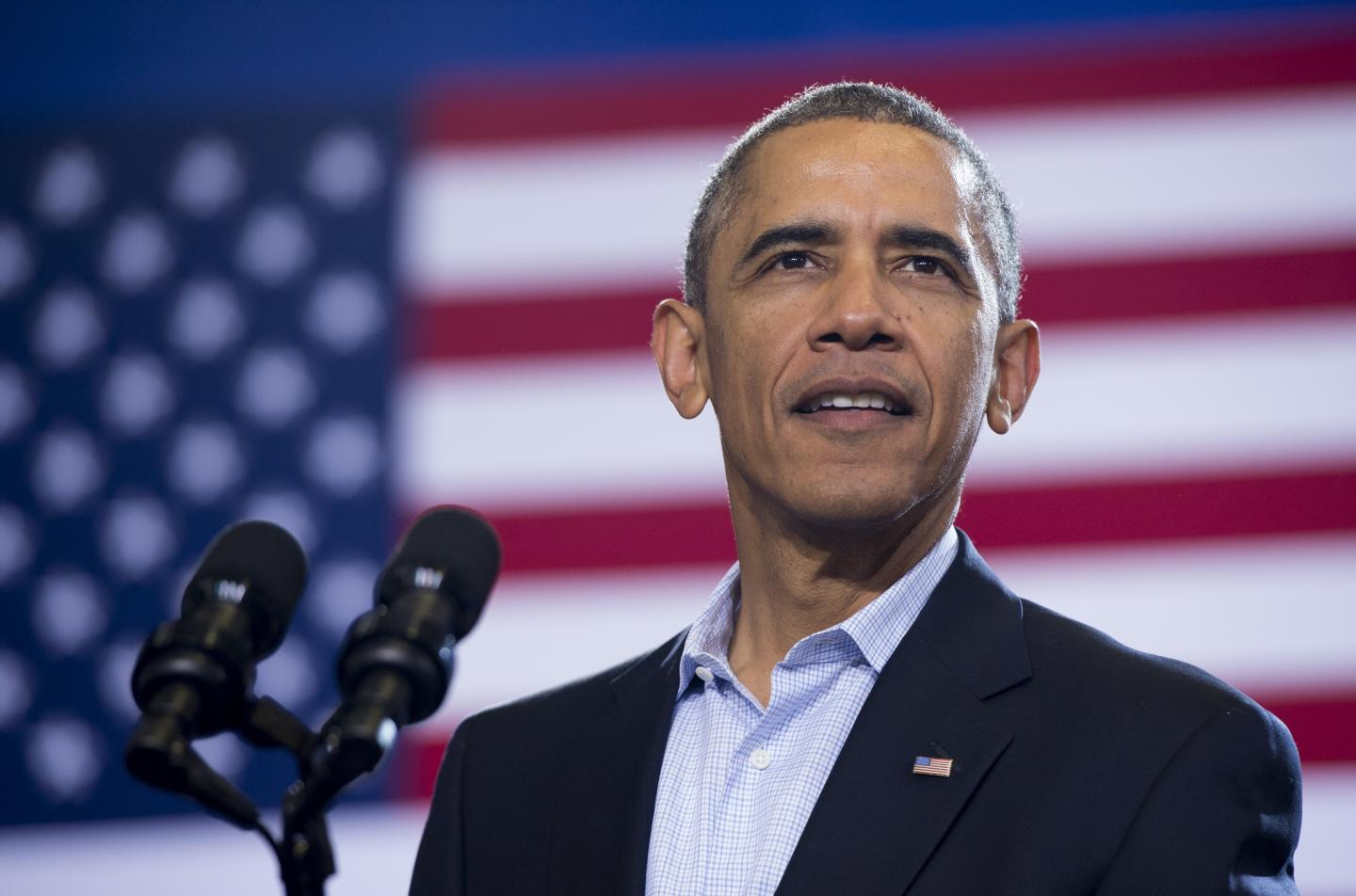
US President Barack Obama speaks at a campaign rally for Democratic Governor Dan Malloy, who is up for re-election, at Central High School in Bridgeport, Connecticut, November 2, 2014. AFP PHOTO / Saul LOEB (Photo credit should read SAUL LOEB/AFP/Getty Images)Photograph by Saul Loeb — AFP/Getty Images
Add Fortune on Google for similar content.

Now that Congress has provided the President with “trade promotion authority,” the way is clear for the 12 nations engaged in the Trans-Pacific Trade (TPP) negotiations to produce a final result. Covering the trade and investment of countries accounting for 40% of world GDP, this will be the largest and most comprehensive, and most consequential trade agreement entered into by the United States since the World Trade Organization (WTO) was created two decades ago.

Why this agreement? A negotiation among the 12 Pacific Rim nations was chosen as a path forward for several good reasons:

One reason is that it is in America’s geopolitical interest to stay involved in Asia. The most recent example of waning U.S. involvement was the choice made by the Administration to stay out of the Asian Infrastructure Investment Bank (AIIB), which China will head up, and which has already attracted pledges of contributions from 14 of the 28 members of the European Union, as well as Australia and New Zealand.

A second reason to pursue a regional instead of a global approach is the stalemate in the World Trade Organization (WTO). The 161 member WTO operates by consensus, and at present there is no consensus to move forward on any further new agreements. To create an improved international trade regime, the template for global rules has to be negotiated by like-minded countries outside the WTO, and that is what TPP is accomplishing.

A third reason is that the United States has a commercial interest in opening up key markets further in Japan and Southeast Asia in particular – Japan because it is a very large, mature market; Southeast Asia because of the growing demand from the rising middle-class consumers in the rest of Asia beyond Japan. Most of the world’s consumers and producers are outside the United States, and the U.S. economy, as with other countries, is increasingly dependent on foreign markets and foreign supplies. TPP will provide enhanced market opportunities for American businesses, large and small.

Fourth, as TPP is an open architecture, other Pacific Rim countries are welcome to negotiate accession to it. Korea is the most prominent non-party that has expressed an interest in joining TPP, but there are others as well, including the Philippines.

Fifth, TPP can serve as the foundation for progress in the Trans-Atlantic Partnership between the United States and the European Union. Together, these two agreements will govern most of world trade.

Fundamental to any high quality free trade agreement is that all tariffs on industrial products with few exceptions will be phased out (U.S. tariffs are on average very close to that already). While not going to zero import restrictions with respect to trade in agriculture, market access for agricultural products is to be more open. Many services, including notably financial services, will be guaranteed market access for the first time.

Eroding longstanding protection is only one part of the Agreement. New barriers to trade and investment are a menace that must be anticipated. The last multi-party agreements were negotiated before world trade was dominated by the internet, e-commerce, global supply chains and super container (Panamax) ships. TPP is called a 21st century agreement because it addresses comprehensively for the first time issues that have only recently gained prominence.

To ensure that the benefits of trade and investment will be realized, the TPP will break new ground by addressing commercial competition from state-owned enterprises, ensuring continuing freedom of cross-border data flows, providing for the reduction of conflicting domestic regulations, improving the protection of intellectual property rights (including trade secrets), increasing transparency of government intervention in trade, dealing with subsidies that distort trade and investment to an extent never achieved before, and will include important provisions governing labor rights and protection of the environment.

The countries participating in the TPP represent a broad spectrum of levels of development and types of economy. In many instances, a substantial motivation for a country joining the partnership is to help drive domestic economic reforms, so necessary to be competitive internationally.

Congress has given the President the negotiating mandate he needs. The next step after the conclusion of TPP is to gain Congressional acceptance of the agreement. That Congress will approve it cannot be taken for granted. When the text of TPP becomes available, it is imperative that it be viewed objectively without the prejudice that has sprung up that no new trade agreement can promote good jobs. The TPP is in fact an important avenue toward creation of higher wage jobs.

Alan Wolff is chairman of the National Foreign Trade Council and practices law in Washington D.C.

About the Author
By Alan Wolff
See full bioRight Arrow Button Icon
Add Fortune on Google for similar content.

Latest in Commentary

Finance
Lorem ipsum dolor sit amet, consectetur adipiscing elit, sed do eiusmod tempor incididunt ut labore et dolore magna aliqua. Ut enim ad minim veniam
By Fortune Editors
October 20, 2025
Finance
Lorem ipsum dolor sit amet, consectetur adipiscing elit, sed do eiusmod tempor incididunt ut labore et dolore magna aliqua. Ut enim ad minim veniam
By Fortune Editors
October 20, 2025
Finance
Lorem ipsum dolor sit amet, consectetur adipiscing elit, sed do eiusmod tempor incididunt ut labore et dolore magna aliqua. Ut enim ad minim veniam
By Fortune Editors
October 20, 2025
Finance
Lorem ipsum dolor sit amet, consectetur adipiscing elit, sed do eiusmod tempor incididunt ut labore et dolore magna aliqua. Ut enim ad minim veniam
By Fortune Editors
October 20, 2025
Finance
Lorem ipsum dolor sit amet, consectetur adipiscing elit, sed do eiusmod tempor incididunt ut labore et dolore magna aliqua. Ut enim ad minim veniam
By Fortune Editors
October 20, 2025
Finance
Lorem ipsum dolor sit amet, consectetur adipiscing elit, sed do eiusmod tempor incididunt ut labore et dolore magna aliqua. Ut enim ad minim veniam
By Fortune Editors
October 20, 2025

Most Popular

Finance
Lorem ipsum dolor sit amet, consectetur adipiscing elit, sed do eiusmod tempor incididunt ut labore et dolore magna aliqua. Ut enim ad minim veniam
By Fortune Editors
October 20, 2025
Finance
Lorem ipsum dolor sit amet, consectetur adipiscing elit, sed do eiusmod tempor incididunt ut labore et dolore magna aliqua. Ut enim ad minim veniam
By Fortune Editors
October 20, 2025
Finance
Lorem ipsum dolor sit amet, consectetur adipiscing elit, sed do eiusmod tempor incididunt ut labore et dolore magna aliqua. Ut enim ad minim veniam
By Fortune Editors
October 20, 2025
Finance
Lorem ipsum dolor sit amet, consectetur adipiscing elit, sed do eiusmod tempor incididunt ut labore et dolore magna aliqua. Ut enim ad minim veniam
By Fortune Editors
October 20, 2025
Finance
Lorem ipsum dolor sit amet, consectetur adipiscing elit, sed do eiusmod tempor incididunt ut labore et dolore magna aliqua. Ut enim ad minim veniam
By Fortune Editors
October 20, 2025
Finance
Lorem ipsum dolor sit amet, consectetur adipiscing elit, sed do eiusmod tempor incididunt ut labore et dolore magna aliqua. Ut enim ad minim veniam
By Fortune Editors
October 20, 2025
Fortune Secondary Logo
Rankings
  • 100 Best Companies
  • Fortune 500
  • Global 500
  • Fortune 500 Europe
  • Most Powerful Women
  • World's Most Admired Companies
  • See All Rankings
  • Lists Calendar
Sections
  • Finance
  • Fortune Crypto
  • Features
  • Leadership
  • Health
  • Commentary
  • Success
  • Retail
  • Mpw
  • Tech
  • Lifestyle
  • CEO Initiative
  • Asia
  • Politics
  • Conferences
  • Europe
  • Newsletters
  • Personal Finance
  • Environment
  • Magazine
  • Education
Customer Support
  • Frequently Asked Questions
  • Customer Service Portal
  • Privacy Policy
  • Terms Of Use
  • Single Issues For Purchase
  • International Print
Commercial Services
  • Advertising
  • Fortune Brand Studio
  • Fortune Analytics
  • Fortune Conferences
  • Business Development
  • Group Subscriptions
About Us
  • About Us
  • Press Center
  • Work At Fortune
  • Terms And Conditions
  • Site Map
  • About Us
  • Press Center
  • Work At Fortune
  • Terms And Conditions
  • Site Map
  • Facebook icon
  • Twitter icon
  • LinkedIn icon
  • Instagram icon
  • Pinterest icon

Latest in Commentary

dr
Commentarydisruption
The uncertainty paradox: believe it or not, today’s massive uncertainty creates the best conditions for disruptive growth
By James G. Naples, Wendy K. Smith and Scott D. AnthonyJune 27, 2026
4 hours ago
templet
Commentary250 Years of Innovation
This rural Maine factory made 100 million COVID swabs a month. Its CEO says manufacturing’s best days are ahead
By Timothy Templet and Virginia TempletJune 27, 2026
4 hours ago
jon
Commentaryphilanthropy
Shell Foundation CEO: climate tech works. Getting it to a billion people who need it is the hard part
By Jonathan BermanJune 26, 2026
1 day ago
mj
CommentarySuccession
Morgan Stanley on life after selling your business: a roadmap for entrepreneurs
By Mark JansenJune 26, 2026
1 day ago
nido
Commentary250 Years of Innovation
As an immigrant turned entrepreneur and college president, here is why I celebrate our nation as it turns 250
By Nido R. QubeinJune 25, 2026
2 days ago
Asia’s defense boom is rewiring the global arms supply chain
Commentaryarms, weapons, and defense
Asia’s defense boom is rewiring the global arms supply chain
By Chris OberoiJune 24, 2026
3 days ago

Most Popular

MacKenzie Scott alone accounted for one-third of America's $19.2 billion in megagifts last year
Success
MacKenzie Scott alone accounted for one-third of America's $19.2 billion in megagifts last year
By Sydney LakeJune 25, 2026
2 days ago
Now worth $200 million, Sarah Jessica Parker credits being ‘one of eight kids that struggled financially’ for her hunger, ambition, and work ethic
Success
Now worth $200 million, Sarah Jessica Parker credits being ‘one of eight kids that struggled financially’ for her hunger, ambition, and work ethic
By Orianna Rosa RoyleJune 24, 2026
3 days ago
Philanthropy leader at Warren Buffett and Bill Gates’ Giving Pledge says children of billionaires are pushing them to give their wealth away faster
Success
Philanthropy leader at Warren Buffett and Bill Gates’ Giving Pledge says children of billionaires are pushing them to give their wealth away faster
By Preston ForeJune 27, 2026
6 hours ago
Current price of oil as of June 26, 2026
Personal Finance
Current price of oil as of June 26, 2026
By Joseph HostetlerJune 26, 2026
1 day ago
Ray Dalio says the U.S. just had its 'Suez moment'—and history says what comes next could end an empire
Economy
Ray Dalio says the U.S. just had its 'Suez moment'—and history says what comes next could end an empire
By Nick LichtenbergJune 26, 2026
1 day ago
The bond market knows something about the $39 trillion national debt that Washington doesn’t
Economy
The bond market knows something about the $39 trillion national debt that Washington doesn’t
By Eva RoytburgJune 25, 2026
2 days ago

© 2026 Fortune Media IP Limited. All Rights Reserved. Use of this site constitutes acceptance of our Terms of Use and Privacy Policy | CA Notice at Collection and Privacy Notice | Do Not Sell/Share My Personal Information
FORTUNE is a trademark of Fortune Media IP Limited, registered in the U.S. and other countries. FORTUNE may receive compensation for some links to products and services on this website. Offers may be subject to change without notice.