
• Home
  • Latest
  • Fortune 500
  • Finance
  • Tech
  • Leadership
  • Lifestyle
  • Rankings
  • Multimedia
Features

5 trends that will redefine your healthcare experience in 2015

By
Laura Lorenzetti
Laura Lorenzetti
Down Arrow Button Icon
By
Laura Lorenzetti
Laura Lorenzetti
Down Arrow Button Icon
January 14, 2015, 2:28 PM ET
Doctors Seek Higher Fees From Health Insurers
BERLIN, GERMANY - SEPTEMBER 05: A doctor holds a stethoscope on September 5, 2012 in Berlin, Germany. Doctors in the country are demanding higher payments from health insurance companies (Krankenkassen). Over 20 doctors' associations are expected to hold a vote this week over possible strikes and temporary closings of their practices if assurances that a requested additional annual increase of 3.5 billion euros (4,390,475,550 USD) in payments are not provided. The Kassenaerztlichen Bundesvereinigung (KBV), the National Association of Statutory Health Insurance Physicians, unexpectedly broke off talks with the health insurance companies on Monday. (Photo by Adam Berry/Getty Images)Photograph by Adam Berry — Getty Images

Technology has revolutionized many aspects of our lives (there seems to be an app for almost everything these days), but our modern healthcare system has remained largely on the sidelines of this transformation.

One small example: Electronic health records have existed for more than 30 years. As of 2008, only 38% of office-based physicians had converted to e-records, according to the Centers for Disease Control. That number increased to about 78% of office-based physicians as of 2013, but it shows how slow the healthcare industry is to adopt new digital tools.

Technological progress in the industry is more of a steady slog than headline-making disruption, but that doesn’t mean there aren’t big things happening. Here are five important trends that will shape your healthcare experience this year and beyond.

The year of seamless care.

Allyson Untiedt, a medical scribe, at HealthEast Midway Clinic in St. Paul, Minnesota.

Healthcare IT systems, which are currently shored up behind proprietary walls, will need to find ways to interact across the care spectrum. About 95% of healthcare providers say interoperability challenges limit their ability to transfer data from one medical center to another, according to a study by Premier (PINC). Essentially, that slows down the transfer of information about patients, which can create sometimes dangerous gaps in care.

Susan DeVore, CEO of Premier, a health care alliance, says that while we’ve created a large amount of e-records in recent years, those records are “not able to seamlessly talk to each other."

That will start to change this year at "both the public and private level," said DeVore. The U.S. Office of the National Coordinator will push interoperability as a core requirement in its next stage of guidelines, and providers will become more proactive in pushing for APIs and open source tools that developers can use to better connect data across medical locations.

Digital tools will become more widespread.

Doctors diagnose a patient remotely at the First Hospital of Zhejiang Province in Hangzhou, Zhejiang province, September 24, 2014. Technology is playing a growing role as Beijing overhauls a healthcare management sector blighted by chaotic patient data, underfunded rural health centres, overburdened city hospitals and a nationwide shortage of doctors.

Digitally-enabled care is a must-have for hospitals and doctors in order to deliver the best care, but technology has been slow to infiltrate the medical world. It's not about "disruption" in this industry, it's about enhancement — and that's what you'll see more of in 2015.

Digital tools — from telemedicine to in-office software — will make your healthcare more efficient, more cost-effective and, ultimately, result in healthier patients. According to a PriceWaterhouseCooper study, half of doctors believe e-visits could replace more than 10% of in-office patient appointments, and roughly 75% of doctors said they would prescribe an app to help patients manage chronic diseases such as diabetes.

[fortune-brightcove videoid=3957338558001]

“Digitally-enabled care is no longer nice-to-have, it’s fundamental for delivering high quality care,” said Daniel Garrett, health information technology leader for PwC. “Just as the banking and retail sectors today use data and technology to improve efficiency, raise quality and expand services, healthcare must either do the same or lose patients to their competitors who do so.”

Putting a price on drug innovation.

Specialty drugs will dominate conversations about health costs this year. Niche treatments are expensive to develop and target a small portion of the population, which means they often carry high price tags. Only 1% to 3% of the U.S. population uses specialty drugs, yet spending on them is expected to account for 50% of drug payments by 2018, according to a study by Prime Therapeutics.

These drugs could potentially lower overall health bills as patients are cured of chronic diseases and avoid expensive complications, but the challenge will be how to cope with high price tags today. Take a revolutionary new Hepatitis C therapy as an example. The drug, which costs $84,000 per patient for a full course, could inflate state Medicaid programs by almost 15%, according to DeVore.

That’s only one specialty treatment for one condition: when compounded, though, the effect could be huge. The average cost of filling a specialty drug prescription for a month is $1,800 compared with $54 for non-specialty drugs, such as antibiotics or anti-cholesterol medication, according to data from Express Scripts. At the same time, the number of patients filling specialty drug scripts is rising faster than the number filing for traditional drugs. The use of specialty medications increased 2.5% in 2013 versus a 0.5% gain for traditional prescriptions, Express Scripts found.

Congress will likely get into the issue this year: Democrats may push for laws allowing Medicaid to negotiate prices with drug makers, while Republicans may go after private sector solutions to inspire competition, such as creating streamlined approval for generic equivalents.

Patient knowledge is power.
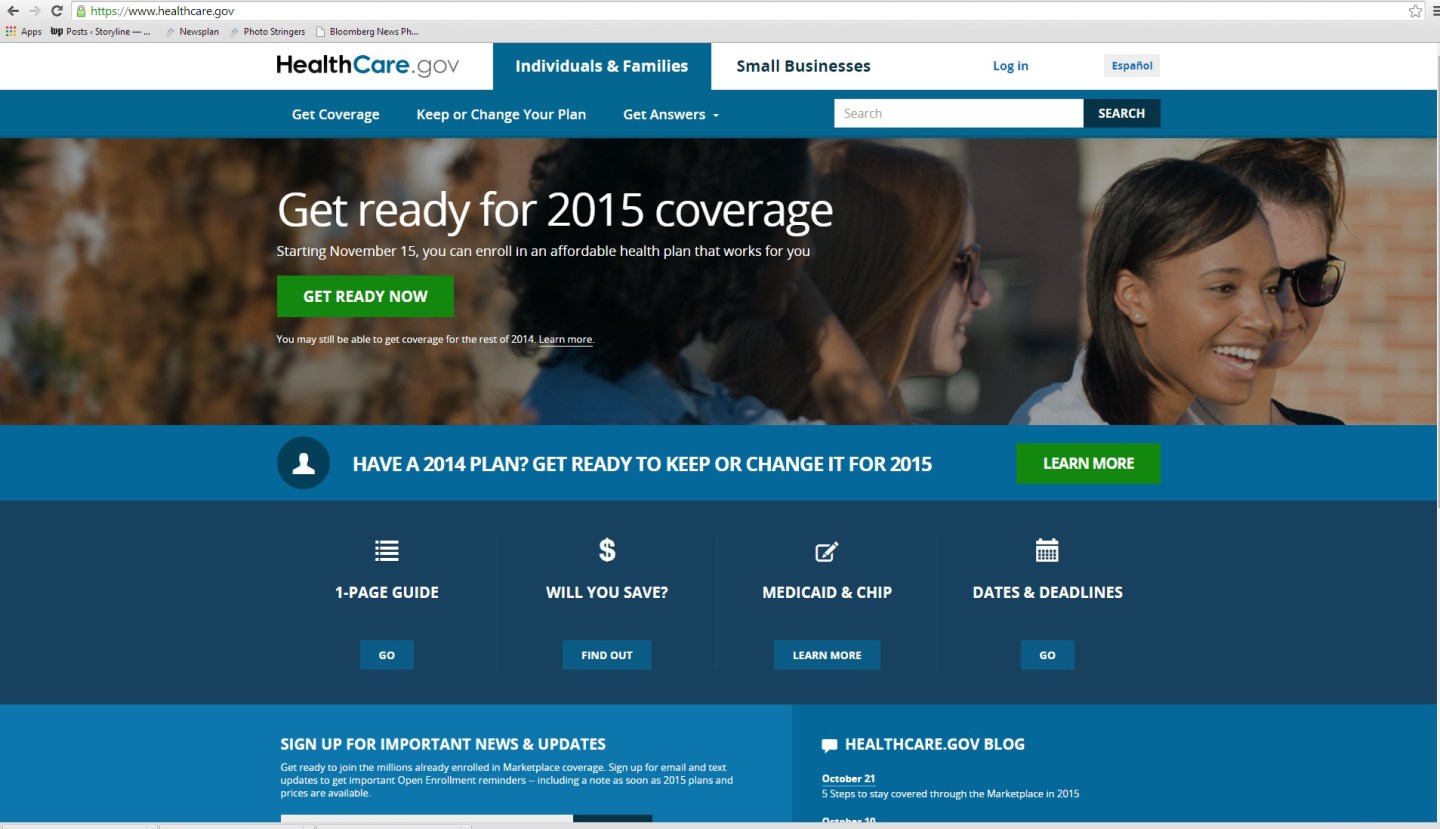
HealthCare.gov gets the okay.

Transparency will become even more important in healthcare this year, especially when it comes to financial data. Services such as ZocDoc already provide access to doctor reviews from a quality and care perspective. More businesses like this will proliferate to help parse the reams of financial information that will become available.

Medicare is releasing its physician procedure charges, while insurance comparisons are available through the Obamacare exchanges. You’ll also be able to review payments your doctor is receiving from drug and device manufacturers via the Open Payments website. This is just the beginning.

"That desire for transparency will continue," said DeVore. "Consumers will become more and more knowledgeable to the availability of information."

This data is still in its early stages, though, and it will continue to take time to confirm and sort out issues with data sets, said DeVore. This year will see more progress in how we interpret and access available medical information.

Cutting out the cost surprises.

The future of health innovation.

Healthcare providers are now using a novel approach to cut costs without sacrificing care: bundled payments.

Bundled payments group all the services a patient receives during an episode of care under one fee. For example, say you're getting knee replacement surgery. A hospital, possibly in conjunction with other providers, will set a lump-sum cost that covers your whole course of care: pre-op, hospital stay, surgery, anesthesia, physical therapy, and follow-up. No surprise costs.

As a patient or an insurance company, you know what you’re going to pay. As a hospital, you're incentivized to provide the necessary services as efficiently as possible, and with the highest-quality care, since the hospital will keep a portion of the savings generated. On the flip side, they're also held accountable for any costs overruns.

It's already a voluntary federal program, and states are also test-driving bundled payments. Arkansas' Medicaid program has mandatory bundled payments in place for 10 conditions, and Tennessee and Ohio are set to announce their own programs in 2015. Even some employers — including Kroger, Boeing and Lowes — are starting to adopt similar initiatives.

Bundled payments not only take out the cost surprise, they also encourage providers to provide connected care. At the end of the day, that’s what patients want: “connected, consistent, coordinated care,” said DeVore.


About the Author
By Laura Lorenzetti
See full bioRight Arrow Button Icon

Latest in Features

Finance
Lorem ipsum dolor sit amet, consectetur adipiscing elit, sed do eiusmod tempor incididunt ut labore et dolore magna aliqua. Ut enim ad minim veniam
By Fortune Editors
October 20, 2025
Finance
Lorem ipsum dolor sit amet, consectetur adipiscing elit, sed do eiusmod tempor incididunt ut labore et dolore magna aliqua. Ut enim ad minim veniam
By Fortune Editors
October 20, 2025
Finance
Lorem ipsum dolor sit amet, consectetur adipiscing elit, sed do eiusmod tempor incididunt ut labore et dolore magna aliqua. Ut enim ad minim veniam
By Fortune Editors
October 20, 2025
Finance
Lorem ipsum dolor sit amet, consectetur adipiscing elit, sed do eiusmod tempor incididunt ut labore et dolore magna aliqua. Ut enim ad minim veniam
By Fortune Editors
October 20, 2025
Finance
Lorem ipsum dolor sit amet, consectetur adipiscing elit, sed do eiusmod tempor incididunt ut labore et dolore magna aliqua. Ut enim ad minim veniam
By Fortune Editors
October 20, 2025
Finance
Lorem ipsum dolor sit amet, consectetur adipiscing elit, sed do eiusmod tempor incididunt ut labore et dolore magna aliqua. Ut enim ad minim veniam
By Fortune Editors
October 20, 2025

Most Popular

Finance
Lorem ipsum dolor sit amet, consectetur adipiscing elit, sed do eiusmod tempor incididunt ut labore et dolore magna aliqua. Ut enim ad minim veniam
By Fortune Editors
October 20, 2025
Finance
Lorem ipsum dolor sit amet, consectetur adipiscing elit, sed do eiusmod tempor incididunt ut labore et dolore magna aliqua. Ut enim ad minim veniam
By Fortune Editors
October 20, 2025
Finance
Lorem ipsum dolor sit amet, consectetur adipiscing elit, sed do eiusmod tempor incididunt ut labore et dolore magna aliqua. Ut enim ad minim veniam
By Fortune Editors
October 20, 2025
Finance
Lorem ipsum dolor sit amet, consectetur adipiscing elit, sed do eiusmod tempor incididunt ut labore et dolore magna aliqua. Ut enim ad minim veniam
By Fortune Editors
October 20, 2025
Finance
Lorem ipsum dolor sit amet, consectetur adipiscing elit, sed do eiusmod tempor incididunt ut labore et dolore magna aliqua. Ut enim ad minim veniam
By Fortune Editors
October 20, 2025
Finance
Lorem ipsum dolor sit amet, consectetur adipiscing elit, sed do eiusmod tempor incididunt ut labore et dolore magna aliqua. Ut enim ad minim veniam
By Fortune Editors
October 20, 2025
Fortune Secondary Logo
Rankings
  • 100 Best Companies
  • Fortune 500
  • Global 500
  • Fortune 500 Europe
  • Most Powerful Women
  • Future 50
  • World’s Most Admired Companies
  • See All Rankings
Sections
  • Finance
  • Fortune Crypto
  • Features
  • Leadership
  • Health
  • Commentary
  • Success
  • Retail
  • Mpw
  • Tech
  • Lifestyle
  • CEO Initiative
  • Asia
  • Politics
  • Conferences
  • Europe
  • Newsletters
  • Personal Finance
  • Environment
  • Magazine
  • Education
Customer Support
  • Frequently Asked Questions
  • Customer Service Portal
  • Privacy Policy
  • Terms Of Use
  • Single Issues For Purchase
  • International Print
Commercial Services
  • Advertising
  • Fortune Brand Studio
  • Fortune Analytics
  • Fortune Conferences
  • Business Development
  • Group Subscriptions
About Us
  • About Us
  • Editorial Calendar
  • Press Center
  • Work At Fortune
  • Diversity And Inclusion
  • Terms And Conditions
  • Site Map
  • About Us
  • Editorial Calendar
  • Press Center
  • Work At Fortune
  • Diversity And Inclusion
  • Terms And Conditions
  • Site Map
  • Facebook icon
  • Twitter icon
  • LinkedIn icon
  • Instagram icon
  • Pinterest icon

Latest in Features

Who owns ideas in the AI age?
MagazinePublishing
Who owns ideas in the AI age?
By Francesca CassidyApril 8, 2026
4 days ago
The Walmart billionaires next door: Quiet backlash is brewing against the heirs who remade the retailer’s hometown
MagazineWalmart
The Walmart billionaires next door: Quiet backlash is brewing against the heirs who remade the retailer’s hometown
By Jessica MathewsApril 3, 2026
10 days ago
Have a strong brand in a world of noise—it’s like having the only red T-shirt in a stadium full of white ones
MagazineVolvo
Have a strong brand in a world of noise—it’s like having the only red T-shirt in a stadium full of white ones
By Kamal AhmedApril 2, 2026
10 days ago
Ken Griffin wants to reshape Miami—and maybe American politics
MagazineKen Griffin
Ken Griffin wants to reshape Miami—and maybe American politics
By Shawn TullyMarch 31, 2026
13 days ago
The world’s consumers are ready for robotaxis. James Peng of Pony AI wants to make sure they’re riding in his
MagazineChina
The world’s consumers are ready for robotaxis. James Peng of Pony AI wants to make sure they’re riding in his
By Nicholas GordonMarch 26, 2026
18 days ago
The youngest-ever female CEO of a Fortune 500 company is fighting Trump’s cuts to keep Medicaid strong
MagazineCentene
The youngest-ever female CEO of a Fortune 500 company is fighting Trump’s cuts to keep Medicaid strong
By Diane BradyMarch 24, 2026
20 days ago

Most Popular

'This is the last warning.' Iran threatens U.S. warships after they throw down the gauntlet for winner-take-all Strait of Hormuz
Politics
'This is the last warning.' Iran threatens U.S. warships after they throw down the gauntlet for winner-take-all Strait of Hormuz
By Fortune EditorsApril 11, 2026
22 hours ago
Palantir CEO says AI ‘will destroy’ humanities jobs but there will be ‘more than enough jobs’ for people with vocational training
Future of Work
Palantir CEO says AI ‘will destroy’ humanities jobs but there will be ‘more than enough jobs’ for people with vocational training
By Fortune EditorsApril 11, 2026
1 day ago
A 93-year-old refused to sell her home to the Masters golf course that’s spent $280 million on expansion: ‘Money ain’t everything’
Real Estate
A 93-year-old refused to sell her home to the Masters golf course that’s spent $280 million on expansion: ‘Money ain’t everything’
By Fortune EditorsApril 12, 2026
9 hours ago
The 'affordability economy' has created a housing market nobody predicted: Prices collapsing in the Sun Belt, soaring in the Rust Belt
Real Estate
The 'affordability economy' has created a housing market nobody predicted: Prices collapsing in the Sun Belt, soaring in the Rust Belt
By Fortune EditorsApril 11, 2026
2 days ago
'People are trying to be creative': Tariff-battered American companies are so cash-starved they are using refund claims as collateral for loans
Economy
'People are trying to be creative': Tariff-battered American companies are so cash-starved they are using refund claims as collateral for loans
By Fortune EditorsApril 12, 2026
12 hours ago
Navy tests Hormuz blockade as expert says U.S. military prepares for round 2 and could degrade Iran's hold over the strait to a 'manageable level'
Politics
Navy tests Hormuz blockade as expert says U.S. military prepares for round 2 and could degrade Iran's hold over the strait to a 'manageable level'
By Fortune EditorsApril 11, 2026
1 day ago

© 2026 Fortune Media IP Limited. All Rights Reserved. Use of this site constitutes acceptance of our Terms of Use and Privacy Policy | CA Notice at Collection and Privacy Notice | Do Not Sell/Share My Personal Information
FORTUNE is a trademark of Fortune Media IP Limited, registered in the U.S. and other countries. FORTUNE may receive compensation for some links to products and services on this website. Offers may be subject to change without notice.