• Home
  • Latest
  • Fortune 500
  • Finance
  • Tech
  • Leadership
  • Lifestyle
  • Rankings
  • Multimedia

Trendingnow

1

After forcing workers back to the office, Goldman Sachs and JPMorgan Chase are now letting their staff work remotely—but only for the World Cup

2

The Pentagon said Iran War costs $29 billion, but the real cost is closer to $200 billion—and counting

3

Markets tumble worldwide as Fed resets expectations: $400 billion wiped off SpaceX stock

1

After forcing workers back to the office, Goldman Sachs and JPMorgan Chase are now letting their staff work remotely—but only for the World Cup

2

The Pentagon said Iran War costs $29 billion, but the real cost is closer to $200 billion—and counting

3

Markets tumble worldwide as Fed resets expectations: $400 billion wiped off SpaceX stock
FinanceInequality

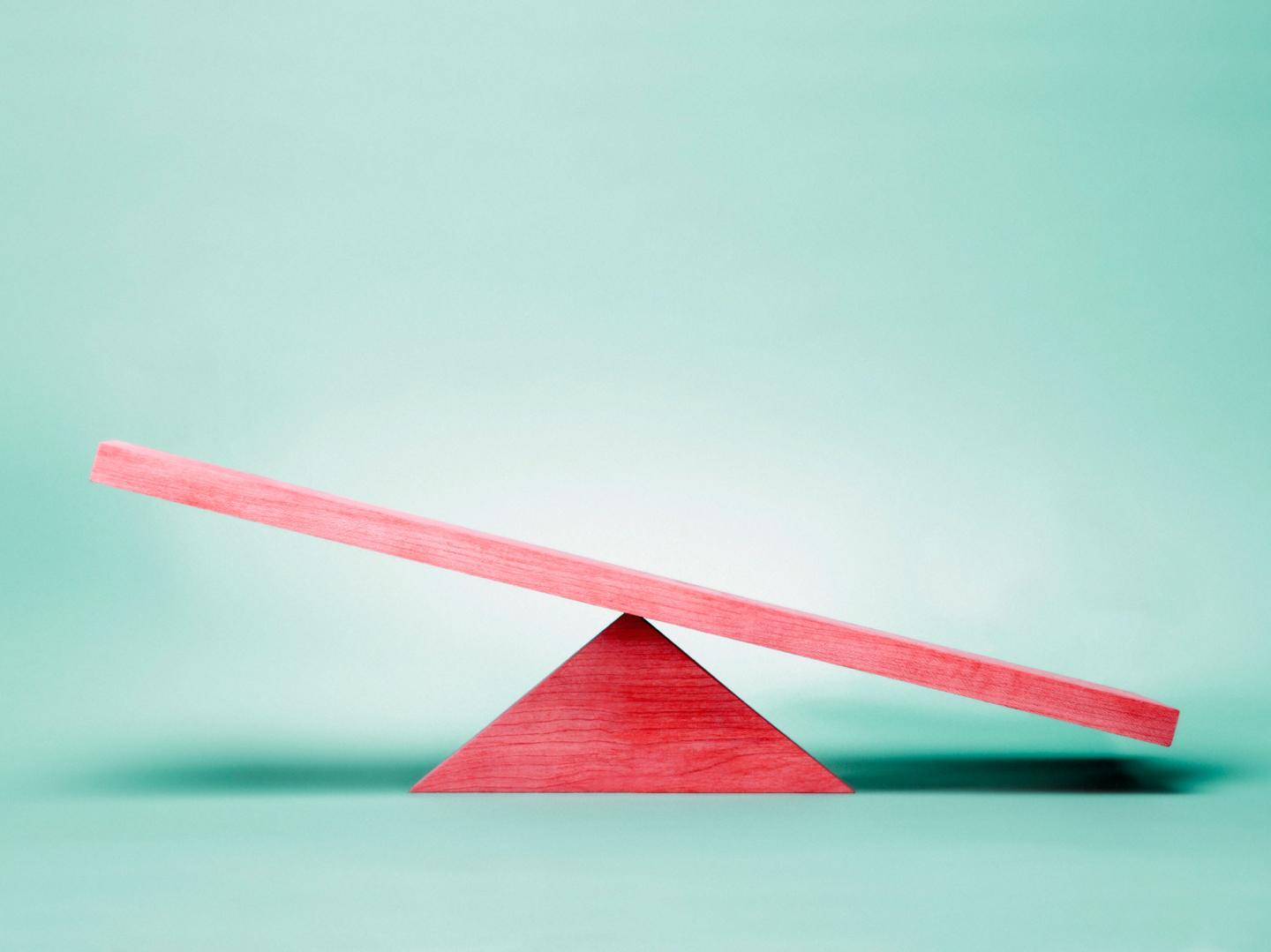
Wealth inequality in America: It’s worse than you think

By
Chris Matthews
Chris Matthews
Down Arrow Button Icon
By
Chris Matthews
Chris Matthews
Down Arrow Button Icon
October 31, 2014, 11:06 AM ET
Steven Puetzer—Getty Images
Add Fortune on Google for similar content.

For the true believers in laissez faire economic policy, the recent and ongoing national discussion over income and wealth inequality probably seems like it was started as a cynical ploy for those on the left to gain a political advantage. After all, if rising inequality is a problem, you would be hard pressed to find any solutions offered by the right wing.

It would be laughable to argue that left-leaning politicians aren’t using the issue for political advantage. But focusing on that fact alone misses one of the main reasons we have begun to pay more attention to inequality, which is the fact that we have better tools for measuring and understanding inequality than ever before. This is thanks to the work of economists like Emmanuel Saez and Gabriel Zucman, who have dedicated their careers to compiling and analyzing wealth and income data. Without these numbers, advocates for concerted effort to combat inequality would have no foundation for their argument.

Saez and Zucman released another working paper this week, which studies capitalized income data to get a picture of how wealth inequality in America, rather than income inequality, has evolved since 1913. (Income inequality describes the gap in how much individuals earn from the work they do and the investments they make. Wealth inequality measures the difference in how much money and other assets individuals have accumulated altogether.) In a blog post at the London School of Economics explaining the paper, Saez and Zucman write:

There is no dispute that income inequality has been on the rise in the United States for the past four decades. The share of total income earned by the top 1 percent of families was less than 10 percent in the late 1970s but now exceeds 20 percent as of the end of 2012. A large portion of this increase is due to an upsurge in the labor incomes earned by senior company executives and successful entrepreneurs. But is the rise in U.S. economic inequality purely a matter of rising labor compensation at the top, or did wealth inequality rise as well?

The advent of the income tax has made measuring income much easier for economists, but measuring wealth is not as easy. To solve the problem of not having detailed government records of wealth, Saez and Zucman developed a method of capitalizing income records to estimate wealth distribution. They write:

Wealth inequality, it turns out, has followed a spectacular U-shape evolution over the past 100 years. From the Great Depression in the 1930s through the late 1970s there was a substantial democratization of wealth. The trend then inverted, with the share of total household wealth owned by the top 0.1 percent increasing to 22 percent in 2012 from 7 percent in the late 1970s. The top 0.1 percent includes 160,000 families with total net assets of more than $20 million in 2012.

Saez-Fig-1

Saez and Zucman show that, in America, the wealthiest 160,000 families own as much wealth as the poorest 145 million families, and that wealth is about 10 times as unequal as income. They argue that the drastic rise in wealth inequality has occurred for the same reasons as income inequality; namely, the trend of making taxes less progressive since the 1970s, and a changing job market that has forced many blue collar workers to compete with cheaper labor abroad. But wealth inequality specifically is affected by a lack of saving by the middle class. Stagnant wage growth makes it difficult for middle and lower class workers to set aside money, but Saez and Zucman argue that the trend could also be a product of the ease at which people are able to get into debt, writing:

Financial deregulation may have expanded borrowing opportunities (through consumer credit, home equity loans, subprime mortgages) and in some cases might have left consumers insufficiently protected against some forms of predatory lending. In that case, greater consumer protection and financial regulation could help increasing middle-class saving. Tuition increases may have increased student loans, in which case limits to university tuition fees may have a role to play.

So, why should we care that wealth inequality is so much greater than even the historic levels of income inequality? While inequality is a natural result of competitive, capitalist economies, there’s plenty of evidence that shows that extreme levels of inequality is bad for business. For instance, retailers are once again bracing for a miserable holiday shopping season due mostly to the fact that most Americans simply aren’t seeing their incomes rise and have learned their lesson about the consequences of augmenting their income with debt. Unless your business caters to the richest of the rich, opportunities for real growth are scarce.

Furthermore, there’s reason to believe that such levels of inequality can have even worse consequences. The late historian Tony Judt addressed these effects in Ill Fares the Land, a book on the consequences of the financial crisis, writing:

There has been a collapse in intergenerational mobility: in contrast to their parents and grandparents, children today in the UK as in the US have very little expectation of improving upon the condition into which they were born. The poor stay poor. Economic disadvantage for the overwhelming majority translates into ill health, missed educational opportunity, and—increasingly—the familiar symptoms of depression: alcoholism, obesity, gambling, and minor criminality.

In other words, there’s evidence that rising inequality and many other intractable social problems are related. Not only is rising inequality bad for business, it’s bad for society, too.

About the Author
By Chris Matthews
See full bioRight Arrow Button Icon
Add Fortune on Google for similar content.

Latest in Finance

Finance
Lorem ipsum dolor sit amet, consectetur adipiscing elit, sed do eiusmod tempor incididunt ut labore et dolore magna aliqua. Ut enim ad minim veniam
By Fortune Editors
October 20, 2025
Finance
Lorem ipsum dolor sit amet, consectetur adipiscing elit, sed do eiusmod tempor incididunt ut labore et dolore magna aliqua. Ut enim ad minim veniam
By Fortune Editors
October 20, 2025
Finance
Lorem ipsum dolor sit amet, consectetur adipiscing elit, sed do eiusmod tempor incididunt ut labore et dolore magna aliqua. Ut enim ad minim veniam
By Fortune Editors
October 20, 2025
Finance
Lorem ipsum dolor sit amet, consectetur adipiscing elit, sed do eiusmod tempor incididunt ut labore et dolore magna aliqua. Ut enim ad minim veniam
By Fortune Editors
October 20, 2025
Finance
Lorem ipsum dolor sit amet, consectetur adipiscing elit, sed do eiusmod tempor incididunt ut labore et dolore magna aliqua. Ut enim ad minim veniam
By Fortune Editors
October 20, 2025
Finance
Lorem ipsum dolor sit amet, consectetur adipiscing elit, sed do eiusmod tempor incididunt ut labore et dolore magna aliqua. Ut enim ad minim veniam
By Fortune Editors
October 20, 2025

Most Popular

Finance
Lorem ipsum dolor sit amet, consectetur adipiscing elit, sed do eiusmod tempor incididunt ut labore et dolore magna aliqua. Ut enim ad minim veniam
By Fortune Editors
October 20, 2025
Finance
Lorem ipsum dolor sit amet, consectetur adipiscing elit, sed do eiusmod tempor incididunt ut labore et dolore magna aliqua. Ut enim ad minim veniam
By Fortune Editors
October 20, 2025
Finance
Lorem ipsum dolor sit amet, consectetur adipiscing elit, sed do eiusmod tempor incididunt ut labore et dolore magna aliqua. Ut enim ad minim veniam
By Fortune Editors
October 20, 2025
Finance
Lorem ipsum dolor sit amet, consectetur adipiscing elit, sed do eiusmod tempor incididunt ut labore et dolore magna aliqua. Ut enim ad minim veniam
By Fortune Editors
October 20, 2025
Finance
Lorem ipsum dolor sit amet, consectetur adipiscing elit, sed do eiusmod tempor incididunt ut labore et dolore magna aliqua. Ut enim ad minim veniam
By Fortune Editors
October 20, 2025
Finance
Lorem ipsum dolor sit amet, consectetur adipiscing elit, sed do eiusmod tempor incididunt ut labore et dolore magna aliqua. Ut enim ad minim veniam
By Fortune Editors
October 20, 2025
Fortune Secondary Logo
Rankings
  • 100 Best Companies
  • Fortune 500
  • Global 500
  • Fortune 500 Europe
  • Most Powerful Women
  • World's Most Admired Companies
  • See All Rankings
  • Lists Calendar
Sections
  • Finance
  • Fortune Crypto
  • Features
  • Leadership
  • Health
  • Commentary
  • Success
  • Retail
  • Mpw
  • Tech
  • Lifestyle
  • CEO Initiative
  • Asia
  • Politics
  • Conferences
  • Europe
  • Newsletters
  • Personal Finance
  • Environment
  • Magazine
  • Education
Customer Support
  • Frequently Asked Questions
  • Customer Service Portal
  • Privacy Policy
  • Terms Of Use
  • Single Issues For Purchase
  • International Print
Commercial Services
  • Advertising
  • Fortune Brand Studio
  • Fortune Analytics
  • Fortune Conferences
  • Business Development
  • Group Subscriptions
About Us
  • About Us
  • Press Center
  • Work At Fortune
  • Terms And Conditions
  • Site Map
  • About Us
  • Press Center
  • Work At Fortune
  • Terms And Conditions
  • Site Map
  • Facebook icon
  • Twitter icon
  • LinkedIn icon
  • Instagram icon
  • Pinterest icon

Latest in Finance

Trump cancels signing a housing bill and blindsides his own party in a social media post
PoliticsDonald Trump
Trump cancels signing a housing bill and blindsides his own party in a social media post
By The Associated Press, Mary Clare Jalonick, Kevin Freking, Josh Boak and Lisa MascaroJune 24, 2026
18 minutes ago
t
PoliticsDonald Trump
Trumps holds landmark affordable housing bill hostage over his pet issue: the ‘national emergency’ of voter ID
By Mary Clare Jalonick and The Associated PressJune 24, 2026
23 minutes ago
s
BankingScott Bessent
Scott Bessent calls Mamdani ‘leader of the Democratic Party,’ touts weekly Warsh breakfasts and a new push to put every American in the stock market
By Nick LichtenbergJune 24, 2026
40 minutes ago
a
RetailAmazon
Amazon’s record Prime Day masks a darker truth: Americans are spending more and getting less
By Nick LichtenbergJune 24, 2026
45 minutes ago
rd
AsiaChina
Ray Dalio just finished a 10-day trip to China. He says global leaders know America ‘doesn’t have what it takes to fight to maintain its empire’
By Nick LichtenbergJune 24, 2026
2 hours ago
Top CD rates from major banks June 24, 2026: Chase CDs, Bank of America CDs, Citibank CDs, and more
Personal FinanceCertificates of Deposit (CDs)
Top CD rates from major banks on June 24, 2026: Chase CDs, Bank of America CDs, Citibank CDs, and more
By Joseph HostetlerJune 24, 2026
3 hours ago

Most Popular

After forcing workers back to the office, Goldman Sachs and JPMorgan Chase are now letting their staff work remotely—but only for the World Cup
Success
After forcing workers back to the office, Goldman Sachs and JPMorgan Chase are now letting their staff work remotely—but only for the World Cup
By Orianna Rosa RoyleJune 23, 2026
1 day ago
The Pentagon said Iran War costs $29 billion, but the real cost is closer to $200 billion—and counting
Economy
The Pentagon said Iran War costs $29 billion, but the real cost is closer to $200 billion—and counting
By Jacqueline MunisJune 24, 2026
9 hours ago
Markets tumble worldwide as Fed resets expectations: $400 billion wiped off SpaceX stock
Banking
Markets tumble worldwide as Fed resets expectations: $400 billion wiped off SpaceX stock
By Jim EdwardsJune 23, 2026
1 day ago
Current price of oil as of June 23, 2026
Personal Finance
Current price of oil as of June 23, 2026
By Joseph HostetlerJune 23, 2026
1 day ago
Current price of gold as of June 23, 2026
Personal Finance
Current price of gold as of June 23, 2026
By Danny BakstJune 23, 2026
1 day ago
Texas and Charlotte used to build huge McMansions—now they're copying the California design tricks they once mocked
Real Estate
Texas and Charlotte used to build huge McMansions—now they're copying the California design tricks they once mocked
By Sydney LakeJune 22, 2026
2 days ago

© 2026 Fortune Media IP Limited. All Rights Reserved. Use of this site constitutes acceptance of our Terms of Use and Privacy Policy | CA Notice at Collection and Privacy Notice | Do Not Sell/Share My Personal Information
FORTUNE is a trademark of Fortune Media IP Limited, registered in the U.S. and other countries. FORTUNE may receive compensation for some links to products and services on this website. Offers may be subject to change without notice.