• Home
  • Latest
  • Fortune 500
  • Finance
  • Tech
  • Leadership
  • Lifestyle
  • Rankings
  • Multimedia

Trendingnow

1

Philanthropy leader at Warren Buffett and Bill Gates’ Giving Pledge says children of billionaires are pushing them to give their wealth away faster

2

Meet a 71-year-old who retired as a radiologist and professor, and now runs a banana-skewer business: ‘I never want to retire. Why would you do that?’

3

China suffers another setback in effort to de-dollarize global finance as anchor in the greenback's dominance quietly exits Beijing's payment scheme

1

Philanthropy leader at Warren Buffett and Bill Gates’ Giving Pledge says children of billionaires are pushing them to give their wealth away faster

2

Meet a 71-year-old who retired as a radiologist and professor, and now runs a banana-skewer business: ‘I never want to retire. Why would you do that?’

3

China suffers another setback in effort to de-dollarize global finance as anchor in the greenback's dominance quietly exits Beijing's payment scheme
E-commerce

With Alipay integration, Stripe to tap China’s e-commerce market

By
Miguel Helft
Miguel Helft
Down Arrow Button Icon
By
Miguel Helft
Miguel Helft
Down Arrow Button Icon
June 24, 2014, 12:00 PM ET
Courtesy: Stripe
Google source logo
Add Fortune on Google for similar content.

John and Patrick Collison founded Stripe with an ambitious goal: make it easy for any business anywhere to transact with any customer anywhere. On Tuesday, their company is taking a big step toward that vision by integrating the Chinese payment giant Alipay into its services.

The move will allow hundreds of millions of Chinese Internet users to do business with thousands of merchants that use Stripe to process transactions. It will also give Stripe, one of the hottest payment startups in Silicon Valley, a boost in its competition with PayPal’s Braintree (PYPL) and others.

Alipay is the largest processor of online and mobile payments in the world’s largest market for Internet services. Last year, the company processed $519 billion in payments, more than half of it outside of Alibaba, the Chinese e-commerce giant that spun off Alipay. (For comparison, PayPal’s total payment volume in 2013 was $180 billion.)

In an interview, Patrick Collison, Stripe’s chief executive, said the integration was a critical step for the San Francisco-based company for two reasons.

“One is the plain fact of what is happening, enabling consumers in the largest single market in the world to purchase from any Stripe merchant,” he said. “If that was all that was happening, we’d be really excited. But this is also the next step in the progression to building the universal payments platform.”

In a statement, Jingming Li, group vice president and head of Alipay U.S., said that Chinese consumers have a “huge unmet demand for high-quality Western products and services. We’re excited to cooperate with Stripe to help accelerate the introduction of Western brands into China, and to turn global online shopping into a simple and enjoyable experience for Chinese consumers.”

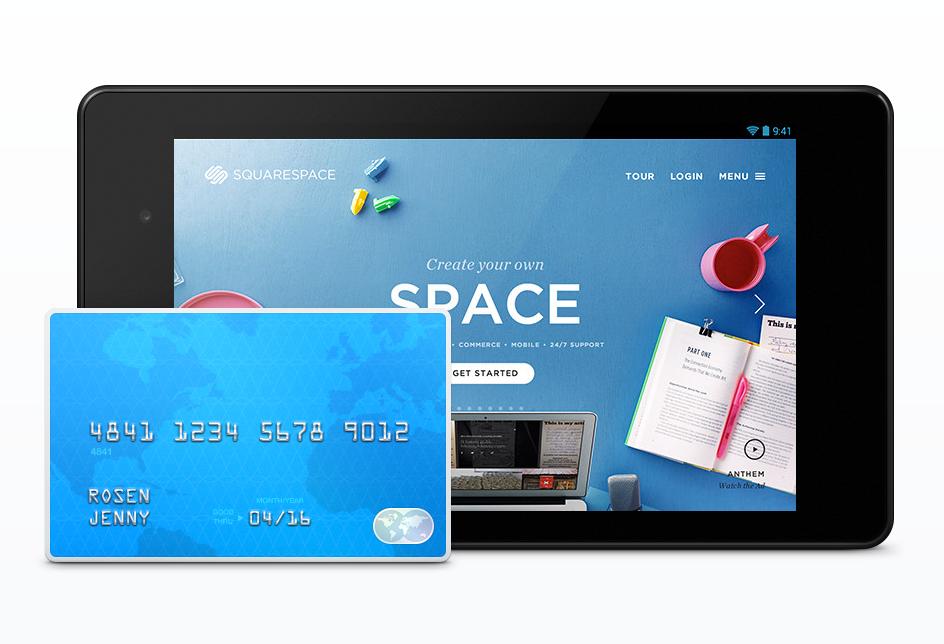
Stripe currently processes billions in payments for customers that include Rackspace (RAX), SalesForce.com (CRM), SurveyMonkey, The Guardian, and scores of other merchants that operate on popular commerce platforms like Squarespace and Shopify.

“Almost any business using Stripe today, they are selling to people in France or Germany,” Collison said. “Yet, these businesses have almost no buyers in China today, because people in China cannot transact with them today.”

Collison said merchants will be able to add Alipay as a payment option with just a few clicks. If a merchant detects that a customer is in China, it will offer Alipay at the checkout and send the customer a validation code to complete the payment. Stripe will take the payment in Renminbi and pay the merchant in U.S. dollars or whatever currency the merchant has specified.

In 2013, e-commerce sales in China surpassed those in the United States. Though they have enjoyed a compound annual growth rate of 120% since 2003, they are expected to slow to between 15% and 20% through 2020, according to McKinsey and Company estimates.

About the Author
By Miguel Helft
See full bioRight Arrow Button Icon

Latest in


Most Popular

Fortune Secondary Logo
Rankings
  • 100 Best Companies
  • Fortune 500
  • Global 500
  • Fortune 500 Europe
  • Most Powerful Women
  • World's Most Admired Companies
  • See All Rankings
  • Lists Calendar
Sections
  • Finance
  • Fortune Crypto
  • Features
  • Leadership
  • Health
  • Commentary
  • Success
  • Retail
  • Mpw
  • Tech
  • Lifestyle
  • CEO Initiative
  • Asia
  • Politics
  • Conferences
  • Europe
  • Newsletters
  • Personal Finance
  • Environment
  • Magazine
  • Education
Customer Support
  • Frequently Asked Questions
  • Customer Service Portal
  • Privacy Policy
  • Terms Of Use
  • Single Issues For Purchase
  • International Print
Commercial Services
  • Advertising
  • Fortune Brand Studio
  • Fortune Analytics
  • Fortune Conferences
  • Business Development
  • Group Subscriptions
About Us
  • About Us
  • Press Center
  • Work At Fortune
  • Terms And Conditions
  • Site Map
  • About Us
  • Press Center
  • Work At Fortune
  • Terms And Conditions
  • Site Map
  • Facebook icon
  • Twitter icon
  • LinkedIn icon
  • Instagram icon
  • TikTok icon
  • YouTube icon

    Latest in


    Most Popular

    © 2026 Fortune Media IP Limited. All Rights Reserved. Use of this site constitutes acceptance of our Terms of Use and Privacy Policy | CA Notice at Collection and Privacy Notice | Do Not Sell/Share My Personal Information
    FORTUNE is a trademark of Fortune Media IP Limited, registered in the U.S. and other countries. FORTUNE may receive compensation for some links to products and services on this website. Offers may be subject to change without notice.