• Home
  • Latest
  • Fortune 500
  • Finance
  • Tech
  • Leadership
  • Lifestyle
  • Rankings
  • Multimedia

Trendingnow

1

Now worth $200 million, Sarah Jessica Parker credits being ‘one of eight kids that struggled financially’ for her hunger, ambition, and work ethic

2

MacKenzie Scott alone accounted for one-third of America's $19.2 billion in megagifts last year

3

Amazon's record Prime Day masks a darker truth: Americans are spending more and getting less

1

Now worth $200 million, Sarah Jessica Parker credits being ‘one of eight kids that struggled financially’ for her hunger, ambition, and work ethic

2

MacKenzie Scott alone accounted for one-third of America's $19.2 billion in megagifts last year

3

Amazon's record Prime Day masks a darker truth: Americans are spending more and getting less

The case for CEO term limits

By
June 23, 2014, 11:22 AM ET
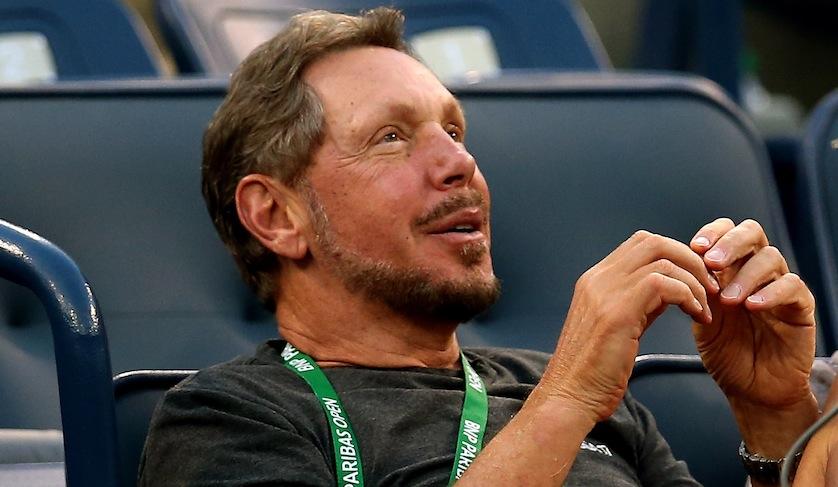
Oracle CEO Larry Ellison.
Larry Ellison - OracleStephen Dunn—Getty Images
Add Fortune on Google for similar content.

It’s pretty clear by now that many CEOs of public companies make more money than their performance warrants, and that boards of directors often ignore shareholders who complain about it. But how much does paying the chief executive officer more than he (or, rarely, she) is worth really cost stockholders?

Plenty, says a new study that examined CEO pay, stock price performance, and return on assets in a database of the 1,500 largest U.S. public companies for each year from 1994 to 2013. The 10 highest-paid CEOs in any given year presided over an average $1.4 billion loss in market capitalization, compared to their more modestly compensated peers.

There’s more: Even if a given CEO made the top 10 for only one year, the stock lost value for three years afterward, compared to the shares of other companies in the same industry. And, if a company with a CEO in the top 10 made an acquisition or underwent a merger, “the market reacted more negatively,” pushing the share price down farther than for comparable deals made by lower paid CEOs, says Mike Cooper, a finance professor at the David Eccles School of Business at the University of Utah and a co-author of the study.

“We’re not saying that high CEO pay is necessarily bad,” he adds. “But we did find a clear link between high CEO pay and decreased financial performance.”

The main reason, Cooper says, is that extravagant pay gives rise to what the study calls “overconfidence,” or the belief that “you have better information and know more than everybody else,” which leads to a penchant for risk—making too many acquisitions, over-investing in dicey projects that usually fail, and generally spending too much of the company’s money.

“This is why the highest paid CEOs in any industry tend to do things that destroy shareholder wealth,” Cooper notes. A telltale sign of overconfidence, according to the study: chief executives with costly delusions of grandeur often hold “a larger number of in-the-money stock options that they haven’t exercised than other CEOs,” he says.

They’ve often been in the top job longer than their lower-paid peers, too. Cooper and his colleagues found the highest pay and the most overconfident behavior among chief executives who had been in office for an average of six years. “That’s not surprising,” Cooper notes. “The longer tenure means a CEO has had more of a chance to make friends with the board, or to put friends on it.”

Chief executives in the study who had held the post the longest and made the most money also showed more lackluster financial results than their peers at other companies, at least by one measure: return on assets over the course of their tenure underperformed their industries’ ROA by 12%.

Although Cooper is careful to say that the study isn’t prescriptive, the research does suggest that setting term limits for CEOs would help to curb both out-of-control pay and expensive, overconfident moves. Shareholders might suffer less long-term damage to their investment if no one who’s paid more than 90% of his or her industry peers could hold the top job for longer than, say, three years. Right now, that doesn’t seem to be happening: The average time in office of Fortune 500 CEOs in 2013 climbed to 9.7 years, nonprofit research firm The Conference Board reported in April. That was the longest average tenure reported since 2002.

Add Fortune on Google for similar content.

Latest in Management

Finance
Lorem ipsum dolor sit amet, consectetur adipiscing elit, sed do eiusmod tempor incididunt ut labore et dolore magna aliqua. Ut enim ad minim veniam
By Fortune Editors
October 20, 2025
Finance
Lorem ipsum dolor sit amet, consectetur adipiscing elit, sed do eiusmod tempor incididunt ut labore et dolore magna aliqua. Ut enim ad minim veniam
By Fortune Editors
October 20, 2025
Finance
Lorem ipsum dolor sit amet, consectetur adipiscing elit, sed do eiusmod tempor incididunt ut labore et dolore magna aliqua. Ut enim ad minim veniam
By Fortune Editors
October 20, 2025
Finance
Lorem ipsum dolor sit amet, consectetur adipiscing elit, sed do eiusmod tempor incididunt ut labore et dolore magna aliqua. Ut enim ad minim veniam
By Fortune Editors
October 20, 2025
Finance
Lorem ipsum dolor sit amet, consectetur adipiscing elit, sed do eiusmod tempor incididunt ut labore et dolore magna aliqua. Ut enim ad minim veniam
By Fortune Editors
October 20, 2025
Finance
Lorem ipsum dolor sit amet, consectetur adipiscing elit, sed do eiusmod tempor incididunt ut labore et dolore magna aliqua. Ut enim ad minim veniam
By Fortune Editors
October 20, 2025

Most Popular

Finance
Lorem ipsum dolor sit amet, consectetur adipiscing elit, sed do eiusmod tempor incididunt ut labore et dolore magna aliqua. Ut enim ad minim veniam
By Fortune Editors
October 20, 2025
Finance
Lorem ipsum dolor sit amet, consectetur adipiscing elit, sed do eiusmod tempor incididunt ut labore et dolore magna aliqua. Ut enim ad minim veniam
By Fortune Editors
October 20, 2025
Finance
Lorem ipsum dolor sit amet, consectetur adipiscing elit, sed do eiusmod tempor incididunt ut labore et dolore magna aliqua. Ut enim ad minim veniam
By Fortune Editors
October 20, 2025
Finance
Lorem ipsum dolor sit amet, consectetur adipiscing elit, sed do eiusmod tempor incididunt ut labore et dolore magna aliqua. Ut enim ad minim veniam
By Fortune Editors
October 20, 2025
Finance
Lorem ipsum dolor sit amet, consectetur adipiscing elit, sed do eiusmod tempor incididunt ut labore et dolore magna aliqua. Ut enim ad minim veniam
By Fortune Editors
October 20, 2025
Finance
Lorem ipsum dolor sit amet, consectetur adipiscing elit, sed do eiusmod tempor incididunt ut labore et dolore magna aliqua. Ut enim ad minim veniam
By Fortune Editors
October 20, 2025
Fortune Secondary Logo
Rankings
  • 100 Best Companies
  • Fortune 500
  • Global 500
  • Fortune 500 Europe
  • Most Powerful Women
  • World's Most Admired Companies
  • See All Rankings
  • Lists Calendar
Sections
  • Finance
  • Fortune Crypto
  • Features
  • Leadership
  • Health
  • Commentary
  • Success
  • Retail
  • Mpw
  • Tech
  • Lifestyle
  • CEO Initiative
  • Asia
  • Politics
  • Conferences
  • Europe
  • Newsletters
  • Personal Finance
  • Environment
  • Magazine
  • Education
Customer Support
  • Frequently Asked Questions
  • Customer Service Portal
  • Privacy Policy
  • Terms Of Use
  • Single Issues For Purchase
  • International Print
Commercial Services
  • Advertising
  • Fortune Brand Studio
  • Fortune Analytics
  • Fortune Conferences
  • Business Development
  • Group Subscriptions
About Us
  • About Us
  • Press Center
  • Work At Fortune
  • Terms And Conditions
  • Site Map
  • About Us
  • Press Center
  • Work At Fortune
  • Terms And Conditions
  • Site Map
  • Facebook icon
  • Twitter icon
  • LinkedIn icon
  • Instagram icon
  • Pinterest icon

Most Popular

Now worth $200 million, Sarah Jessica Parker credits being ‘one of eight kids that struggled financially’ for her hunger, ambition, and work ethic
Success
Now worth $200 million, Sarah Jessica Parker credits being ‘one of eight kids that struggled financially’ for her hunger, ambition, and work ethic
By Orianna Rosa RoyleJune 24, 2026
1 day ago
MacKenzie Scott alone accounted for one-third of America's $19.2 billion in megagifts last year
Success
MacKenzie Scott alone accounted for one-third of America's $19.2 billion in megagifts last year
By Sydney LakeJune 25, 2026
12 hours ago
Amazon's record Prime Day masks a darker truth: Americans are spending more and getting less
Retail
Amazon's record Prime Day masks a darker truth: Americans are spending more and getting less
By Nick LichtenbergJune 24, 2026
1 day ago
Ray Dalio just finished a 10-day trip to China. He says global leaders know America ‘doesn’t have what it takes to fight to maintain its empire’
Asia
Ray Dalio just finished a 10-day trip to China. He says global leaders know America ‘doesn’t have what it takes to fight to maintain its empire’
By Nick LichtenbergJune 24, 2026
1 day ago
After forcing workers back to the office, Goldman Sachs and JPMorgan Chase are now letting their staff work remotely—but only for the World Cup
Success
After forcing workers back to the office, Goldman Sachs and JPMorgan Chase are now letting their staff work remotely—but only for the World Cup
By Orianna Rosa RoyleJune 23, 2026
2 days ago
Ikea’s billionaire founder was so frugal that he bought clothes from flea markets and took free salt and pepper from restaurants
Success
Ikea’s billionaire founder was so frugal that he bought clothes from flea markets and took free salt and pepper from restaurants
By Orianna Rosa RoyleJune 25, 2026
12 hours ago

© 2026 Fortune Media IP Limited. All Rights Reserved. Use of this site constitutes acceptance of our Terms of Use and Privacy Policy | CA Notice at Collection and Privacy Notice | Do Not Sell/Share My Personal Information
FORTUNE is a trademark of Fortune Media IP Limited, registered in the U.S. and other countries. FORTUNE may receive compensation for some links to products and services on this website. Offers may be subject to change without notice.