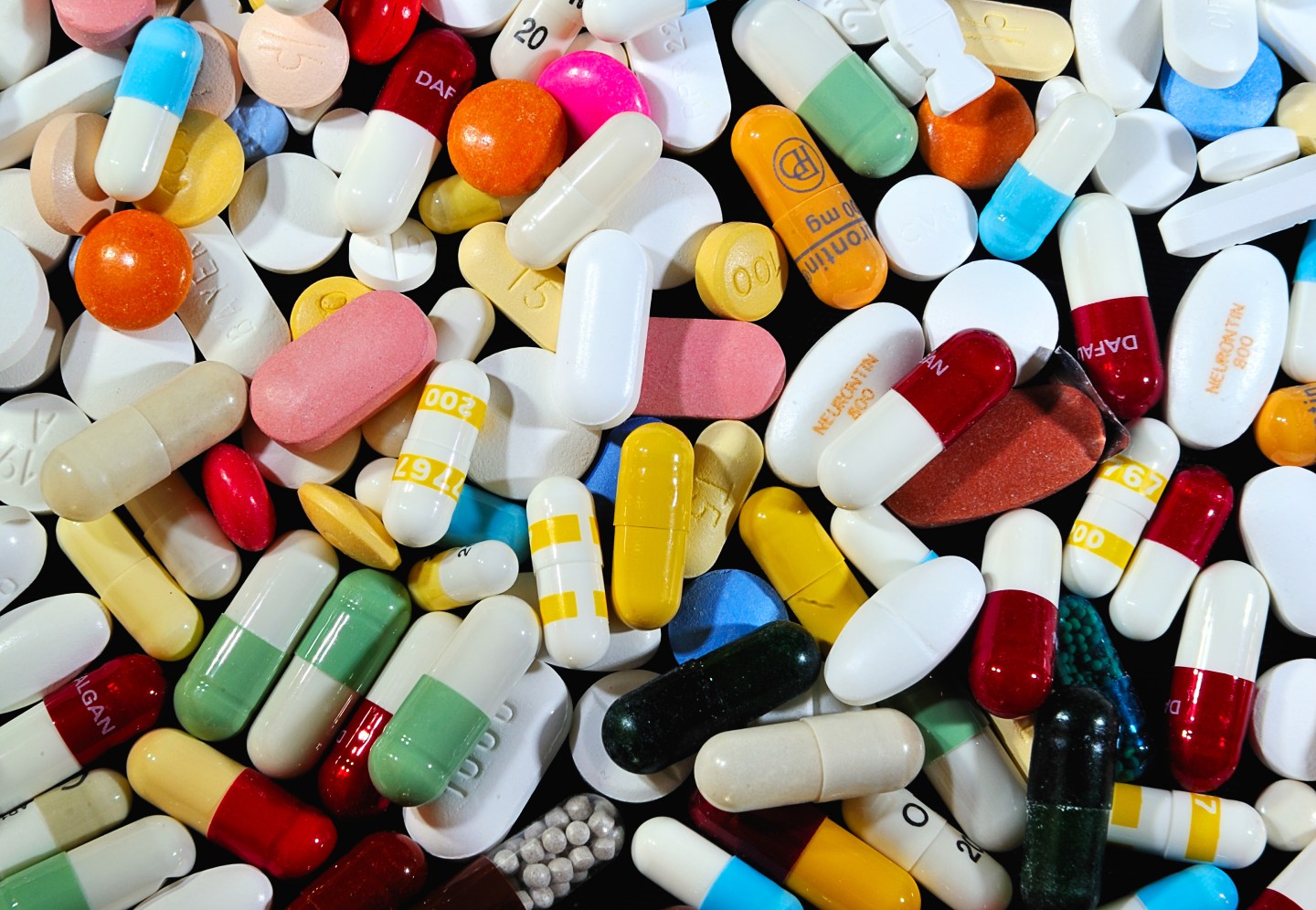
Medicinal drugs in the U.S. are in short supply. Some are so scarce — medicines for heart problems, arthritis, diabetes, cancer, Lyme disease, and tuberculosis as well as antibiotics and crucial saline solutions for patients too sick to eat or drink — that patients are dying because they can’t get access to them.
The shortage goes back at least a decade and shows disturbing trends.
In 2007, the Food and Drug Administration listed 154 drugs that were in short supply or no longer available. That figure exploded to 456 in 2012. Today there are more than 300 drugs listed in short supply by the FDA.
The situation is pressuring U.S. hospitals to pay at least $230 million more a year than they ordinarily would to find alternative treatments, according to Michael Alkire, COO of Premier, an alliance of hospitals and health care providers.
“Hospitals have been scrambling to continue to provide outstanding patient care while there are short supplies,” he said.
More importantly, the shortage may have caused the deaths of 15 people in 2011 when substitute drugs were used instead of first-line treatment medicines that were in short supply, according to one news report.
And a 2012 study discovered that when drug shortages forced doctors to switch medications in a clinical trial for Hodgkin lymphoma, the number of patients who were cancer-free after two years fell from 88 percent to 75 percent.
“I think we’re at a point that some hospitals and doctors may not have what they need to treat a patient,” said Erin Fox, a professor in pharmacotherapy at the University of Utah and a leading expert on drug shortages.
What’s the cause?
One reason for the drug shortages is spikes in demand for treatments when disease breaks out.
But according to the Government Accountability Office (GAO) which did a study in 2013 on the drug shortage, other reasons include a lack of materials to make the drugs, as well as delays in getting government approval for new and experimental drugs.
Add to that the simple fact that fewer pharmaceutical companies are making drugs these days.
According to the GAO report, 71 percent of all generic injectable cancer drugs sold in 2008 were produced by just three manufacturers, while 91 percent of the market share of injectable nutrients and supplements was held by just three pharmaceutical firms.
This may seem contradictory, as the U.S. biopharmaceutical industry is the world’s leader in drug research and has a total economic impact of $790 billion a year on the U.S. economy.
But producing new drugs isn’t necessarily easy. That’s because pharmaceutical companies go through the process of creating a treatment from beginning to end without any guarantee a drug will be effective and produce revenue.
Dr. David Vaughn, head of pharmaceutical giant GlaxoSmithKline’s (GSK) external research and development, North America, said that the average cost and time — nearly a decade — to get a new drug on the market “has pushed the bigger pharmaceutical firms away from making them.”
Add to that the difficulty in drug production, said Dwight Kloth, director of pharmacy at Fox Chase Cancer Center, in Philadelphia, Pennsylvania. “It’s a lot more complicated to make these types of treatments than making aspirin or cholesterol tablets,” Kloth said.
He said a contamination slip-up somewhere in the process can cause drug makers to shut down production and delay getting medicines on the market.
Costs of the shortage
Whatever the reasons, the shortage is pushing the cost of existing drugs ever higher, said Premier’s Alkire. “Some manufactures have capitalized on this problem by spiking their prices by 400 percent or more,” Alkire said.
But the pharmaceutical industry contends that much of the pricing issue is out of its hands.
“The manufacturer of a drug has no influence or control over the prices charged by a secondary wholesaler to a hospital or pharmacy,” reads part of a statement on the PhRMA web site, the industry’s trade association group.
The higher costs have led to rationing of dwindling supplies of the less expensive generic drugs to avoid purchasing the more expensive name brand treatments.
That was true for the cancer treatment drugs Doxil and Leucovorin which ran short of supplies in 2011 and 2012. Doctors were forced to choose which patients received the smaller supply of Leucovorin and which would be given a less effective but more costly treatment.
“The shortage over many oncology drugs at that time was due to large manufacturers having quality problems and having to shut down,” said Valerie Jensen, associated director of the drug shortage staff at the FDA. “The situation with the number of cancer drugs on the market has improved since then,” Jensen said.
Diagnosis for crisis
To help circumvent the shortage, the FDA enacted new provisions in 2012 that require drug makers to give the agency earlier notice about potential shortages in order to alert patients and doctors so they can seek alternative treatments.
This followed President Obama’s executive order in 2011 that, among other actions, speeds up the government’s review and approval of potential drugs.
The order also calls on the FDA to pass on to the Justice Department any drug shortages that let market participants “stockpile the affected drugs or sell them at exorbitant prices.”
But industry experts argue there won’t be a simple cure-all.
“It’s hard to know what incentives will work for the pharmaceutical companies to increase drug production,” said the University of Utah’s Fox. “But we need more production lines that’s for sure.”
Premier’s Alkire said the FDA needs to approve and reduce the backlog of drug applications that are stuck in the pipeline.
Fox Chase Cancer Center’s Kloth said if there was a way that drug companies could be assured their investment would be recouped, that would help ease the shortage. “But the fact that we have to spend as much time on it as we do is a bad sign and significant concern,” Kloth said. “This shortage won’t end soon.”